When you need to Fix dstv signal problems, the first step should be identifying where the reception failure starts. No signal, pixelation, freezing and intermittent reception can have several causes, so replacing equipment without proper diagnosis may not solve the problem. A physical satellite system includes several connected components. The dish receives the satellite transmission, while the LNB, coaxial cable and connectors help carry the signal towards compatible decoder equipment. A problem anywhere along this path can affect viewing.
Common DStV Signal Problems
Customers may need help with:
Complete loss of satellite signal
Weak reception
Intermittent signal
Picture pixelation
Channels freezing
Reception disappearing after bad weather
Problems after roofing work
Loose satellite dishes
Dish alignment problems
Damaged satellite cables
Loose or damaged connectors
LNB-related faults
Problems affecting one viewing area
Problems affecting several televisions
Therefore, the visible symptom should serve as the starting point rather than the final diagnosis.
Start by Identifying What Changed
Before trying to Fix dstv signal, consider what happened immediately before the problem appeared.
Did strong wind occur? Did contractors work on the roof? Was the television or decoder moved? Did the reception gradually become worse?
These details can help narrow down the physical areas that require inspection.
Check Whether the Problem Affects Everything
Determine whether every relevant viewing area has lost reception.
If one television works normally while another does not, the fault may affect only part of the setup.
On the other hand, simultaneous reception loss across the system may point towards shared physical infrastructure.
Inspect the Satellite Dish
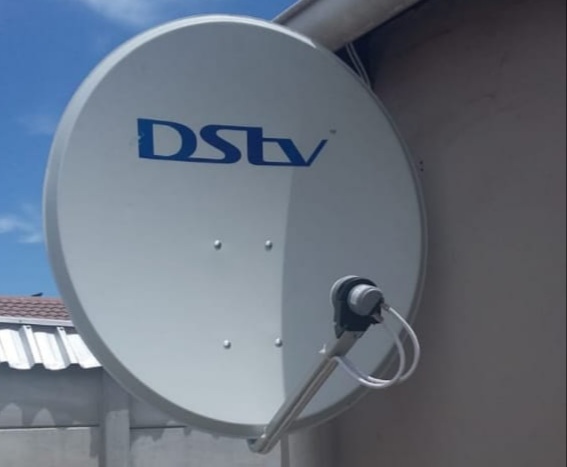
The dish forms an important part of the reception system.
Check whether it appears loose, damaged or visibly different from its previous position.
Avoid moving it randomly, because even small changes can affect alignment.

Check Dish Alignment
A technician can assess whether the dish remains appropriately aligned.
Where alignment has changed, adjustment may restore reception.
However, technicians should continue checking other components if alignment is not responsible for the fault.