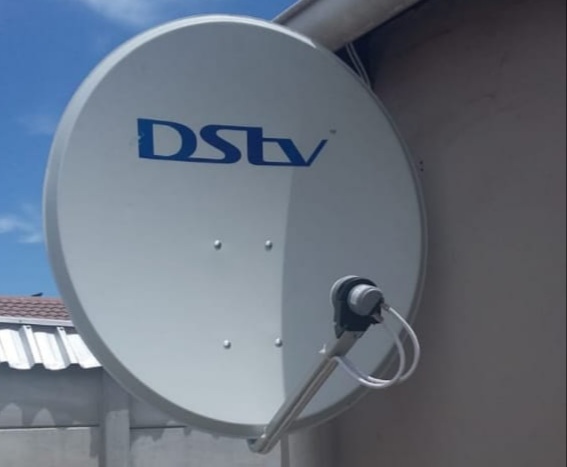
A satellite dish forms the foundation of a reliable satellite television system. When the dish sits at the wrong angle, moves in strong wind, or has poor-quality connections, reception can suffer. Therefore, proper installation and alignment matter from the beginning. Dstv satellite dish installers provide specialist assistance with dish positioning, mounting, alignment, LNB fitting, cabling, and signal testing. Whether you are installing a new system or replacing an old dish, careful preparation can make the finished setup more dependable.

Choosing the Right Dish Location
Every property has different installation requirements. Before mounting the dish, the installer examines the available outdoor areas and considers the direction needed for satellite reception. Nearby walls, trees, buildings, and other structures can interfere with the signal. For this reason, the installer looks for a location with a suitable and unobstructed path. Dstv satellite dish installers can assess these factors before selecting the final mounting point. This approach helps avoid installing the equipment in a position that may cause reception difficulties later.
Wall, Pole and Other Mounting Options
The mounting method depends on the structure and available space. A suitable wall bracket can work well on many properties, while a pole installation may provide greater flexibility in other situations. The mounting surface must provide enough strength to support the dish securely. In addition, the installer needs to leave enough room for alignment and future servicing.
Once the mounting hardware is in place, the dish can be attached and positioned for the next stage of the installation.
Getting the Dish Alignment Right
Dish alignment requires more precision than simply pointing the dish toward the sky. The installer needs to establish the correct position and then make small adjustments while checking the signal. Dstv satellite dish installers use signal readings to help establish an appropriate alignment. This allows them to identify whether further adjustment is necessary. Even a small movement can affect reception. Consequently, the installer secures the dish only after confirming that the position provides suitable signal performance.
LNB Installation and Positioning
The LNB sits at the front of the dish and receives the signal reflected from its surface. Its position and orientation therefore form an important part of the installation. A poorly positioned LNB can contribute to reception problems even when the dish itself appears correctly mounted. For this reason, the installer checks the LNB position and connection before completing the signal tests. This creates a more complete installation rather than focusing on the dish alone.
Installing the Satellite Cable
The cable carries the received signal from the dish to the decoder. A good installation therefore needs suitable cable routing as well as secure connections. Dstv satellite dish installers can plan the cable path according to the building. The cable may run along an exterior wall before entering the property, or it may follow another practical route. The installer also checks connectors and avoids unnecessary bends or exposed sections where possible. As a result, the finished system can look neater and remain easier to maintain.