Searching for Dstv installation near me can help when you need a satellite system installed at a new home, want to upgrade an existing setup or need television points planned for different rooms. A good installation should consider more than simply mounting a dish. Dish position, LNB requirements, cable routing, decoder location and the layout of the property all play a role. Planning the complete setup before work begins can reduce unnecessary cable changes and make future upgrades easier.
Start With an Installation Assessment
Before installation begins, consider:
Property type
Existing satellite equipment
Number of televisions
Decoder location
Intended viewing areas
Suitable dish position
Cable routes
Existing coaxial cable
Explora requirements
Extra View-related requirements
Building or estate restrictions
Future expansion plans
This information helps determine the appropriate installation approach.
New Home Satellite Installation
Customers searching for Dstv installation near me after moving into a new property should first check whether satellite infrastructure already exists.
A dish, cable or wall connection may have been left by a previous occupant.
Where suitable equipment remains available, the technician can assess whether it can form part of the new setup instead of replacing everything.
Installing a New Satellite Dish
Where no suitable dish exists, a new dish may need installation.
The technician can assess an appropriate mounting position while considering the building layout and required cable route.
A secure mounting point also helps keep the dish in position after alignment.
Dish Alignment
Once mounted, the dish requires appropriate alignment for the intended satellite reception.
Alignment should form part of the installation process rather than relying on trial and error.
The mounting should also remain secure enough to maintain the selected position.
LNB Installation
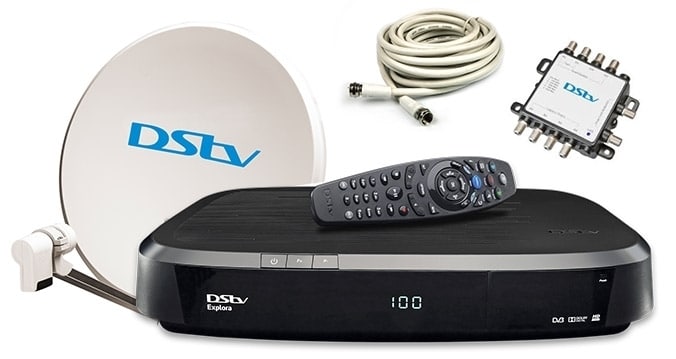
The LNB forms part of the satellite reception system. Its requirements can depend on the intended physical setup and compatible equipment.
Therefore, the technician should consider the complete installation rather than selecting components independently.