A professional Dstv technician for no signal can assess the physical satellite system when your television suddenly loses reception or displays a signal-related message. Instead of replacing equipment immediately, the technician can work through the signal path and identify which component requires attention. Several physical problems can interrupt satellite reception. These may involve dish alignment, the LNB, coaxial cable, connectors or equipment disturbed by weather and building work. Therefore, diagnosis should come before replacement.

Why Has the Signal Disappeared?
Customers looking for a Dstv technician for no signal may have experienced:
A sudden loss of reception
Intermittent signal
Picture freezing
Pixelation before signal loss
Problems after heavy wind or storms
Problems after roofing work
A recently moved satellite dish
Damaged outdoor cable
Loose connectors
Problems after moving the decoder
Reception loss on one television
Reception loss across the complete setup
The symptoms and events leading up to the fault can provide useful clues.
Start With Proper Diagnosis
No signal is a symptom rather than a complete diagnosis.
Replacing the LNB, decoder or dish without identifying the cause can lead to unnecessary costs.
A technician can instead inspect relevant parts of the physical satellite system systematically.
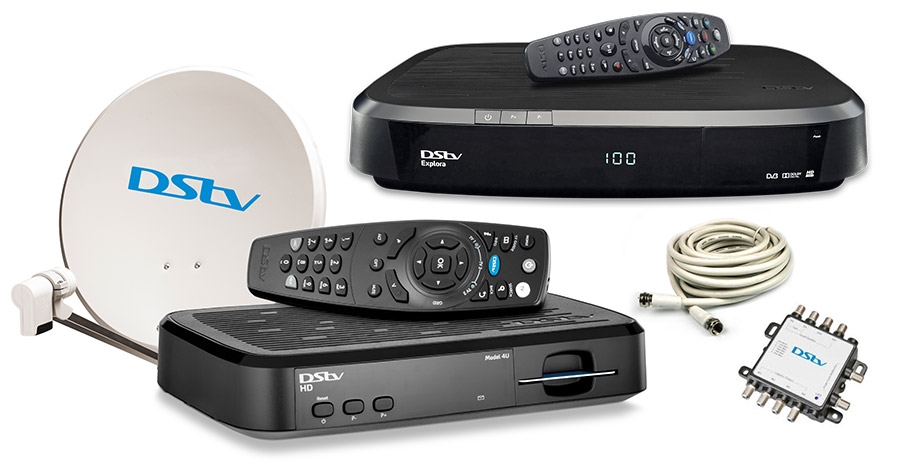
Satellite Dish Alignment
A dish that moves away from its required position can affect reception.
A Dstv technician for no signal can assess dish alignment and make adjustments where appropriate.
However, technicians should continue troubleshooting if alignment is already suitable.
Loose Satellite Dish
Strong weather, loose mounting hardware or nearby work can sometimes disturb a satellite dish.
If the dish visibly moves or appears unstable, tell the technician.
The mounting and alignment can then form part of the inspection.

Dish Mounting Problems
A secure mounting point helps maintain the dish position.
Therefore, brackets and related hardware may need assessment when reception repeatedly disappears.
The technician can determine whether adjustment or replacement of affected mounting components is appropriate.