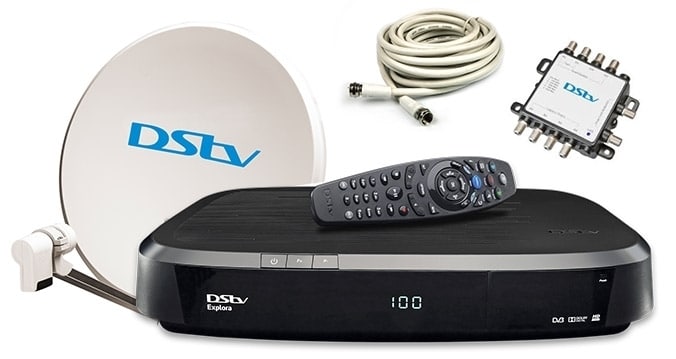
A Dstv installation should be planned around the property, the equipment, and the customer’s viewing needs. A good setup involves more than putting a dish on a wall. The mounting position, satellite alignment, cabling, LNB, decoder, and television connections all need attention. When you arrange a Dstv installation, the first step is to understand the property. We look at the available mounting points, possible obstructions, cable route, and position of the television equipment.
Planning Before the Work Starts
Every property has its own layout. A freestanding home may allow several dish positions, while an apartment or complex may have stricter installation requirements.
We assess the site first. This helps us identify a practical mounting point and determine how the cable should enter the building.
For example, a location that looks convenient may not provide a clear satellite path. Therefore, we consider reception before choosing the final position.
Selecting a Suitable Dish Position
The satellite dish needs an unobstructed path towards the satellite. Trees, buildings, walls, and other structures can interfere with the signal.
We inspect the surrounding area and select a position that combines good reception with a stable mounting surface.
A Dstv installation also needs to account for future access. Equipment should remain reasonably accessible if it needs inspection or adjustment later.
Installing the Mounting Equipment
The mounting bracket or pole supports the dish and helps keep its alignment stable.
We secure the mounting equipment to an appropriate surface before attaching the dish. We also check the stability of the completed mount.
This matters because movement can change the dish position. As a result, a poorly secured dish may develop reception problems even when the original alignment was correct.
Aligning the Satellite Dish
Correct alignment is one of the most important stages of the setup. The dish needs precise positioning to receive the required satellite signal. We adjust the dish while checking reception. Once the signal reaches the required level, we secure the equipment in position. Next, we inspect the alignment again to make sure the dish remains stable after tightening the mounting hardware.